Can Cosmetics Cause Cancer? The Truth Behind Beauty Products
Every day, millions of people use cosmetics—from moisturizers and lipsticks to shampoos, hair dyes, deodorants, and makeup. While these products help us look and feel our best, an important question remains:
Can cosmetics actually cause cancer?
The answer is more complex than a simple yes or no.
Understanding the Risk
Most cosmetics sold by reputable brands are designed to be safe when used as directed. However, some products may contain ingredients that scientists have studied for their potential to increase cancer risk after long-term or repeated exposure.
It’s important to understand that hazard is not the same as risk. An ingredient may have the potential to cause harm under certain conditions, but the actual risk depends on how much you’re exposed to and how often.
Ingredients That Have Raised Concerns
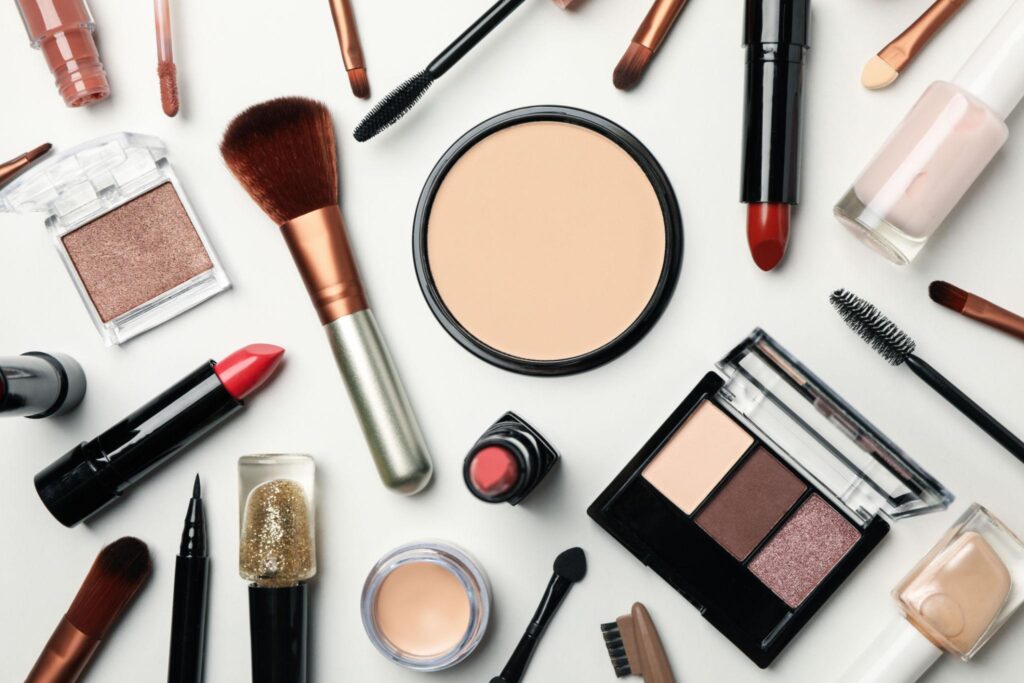
Researchers and health organizations continue to study several cosmetic ingredients, including:
- Formaldehyde and formaldehyde-releasing preservatives – Found in some hair treatments and nail products. Formaldehyde is classified as a human carcinogen with significant occupational exposure.
- Certain Talc Products – If contaminated with asbestos, talc may pose a cancer risk. Modern cosmetic-grade talc is expected to be asbestos-free, but quality control is essential.
- Coal Tar Ingredients – Used in a limited number of cosmetic and medicated products. Some coal tar compounds are linked to cancer under specific exposure conditions.
- Benzene Contamination – Benzene is not intentionally added to cosmetics but has occasionally been detected as a contaminant in products like aerosol sprays and sunscreens, leading to product recalls.
- PFAS (“Forever Chemicals”) – These chemicals may be present in some long-lasting makeup products and are being investigated for possible health effects.
- sulphate parabeane – free in shampoos
Does Hair Dye Increase Cancer Risk?
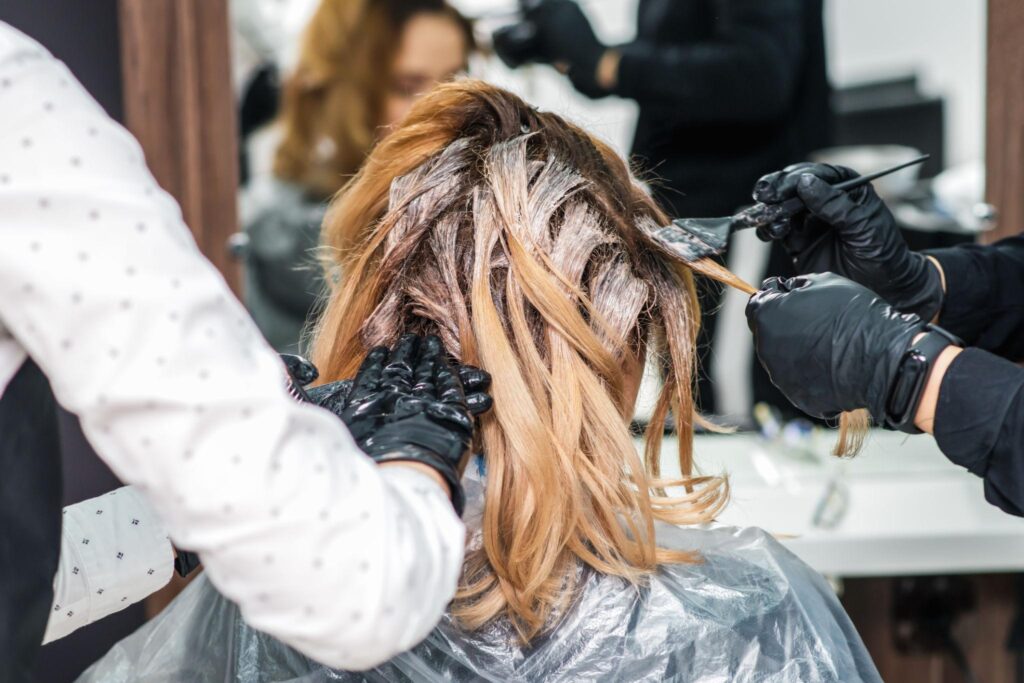
Research on hair dye has produced mixed results.
- Professional hairdressers who work with hair dyes daily may have higher exposure to certain chemicals.
- For personal users, current evidence does not clearly show that occasional use of modern hair dyes significantly increases cancer risk.
Scientists continue to monitor long-term studies as cosmetic formulations evolve. we can try ammonia free products
How Can Consumers Stay Safe?
The safest approach isn’t avoiding all cosmetics—it’s choosing them wisely.
✔ Buy products from trusted brands.
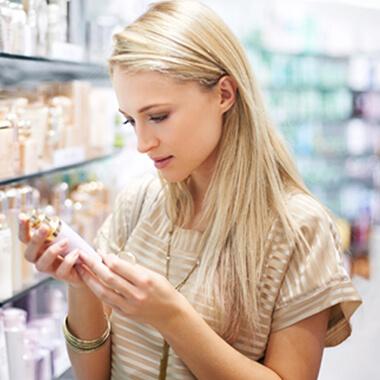
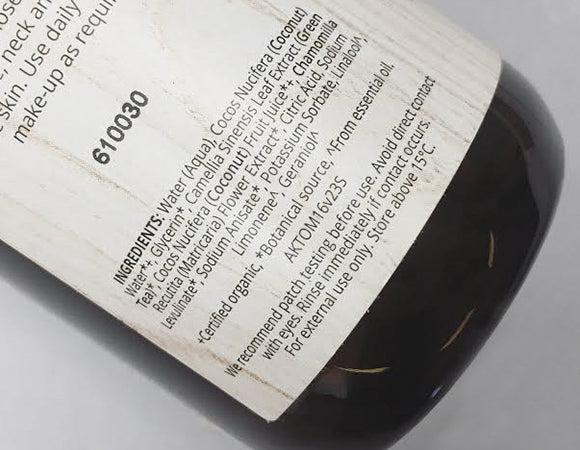
✔ Check ingredient labels before purchasing.
✔ Avoid products that have been recalled.
✔ Replace expired cosmetics.
✔ Use products exactly as directed.
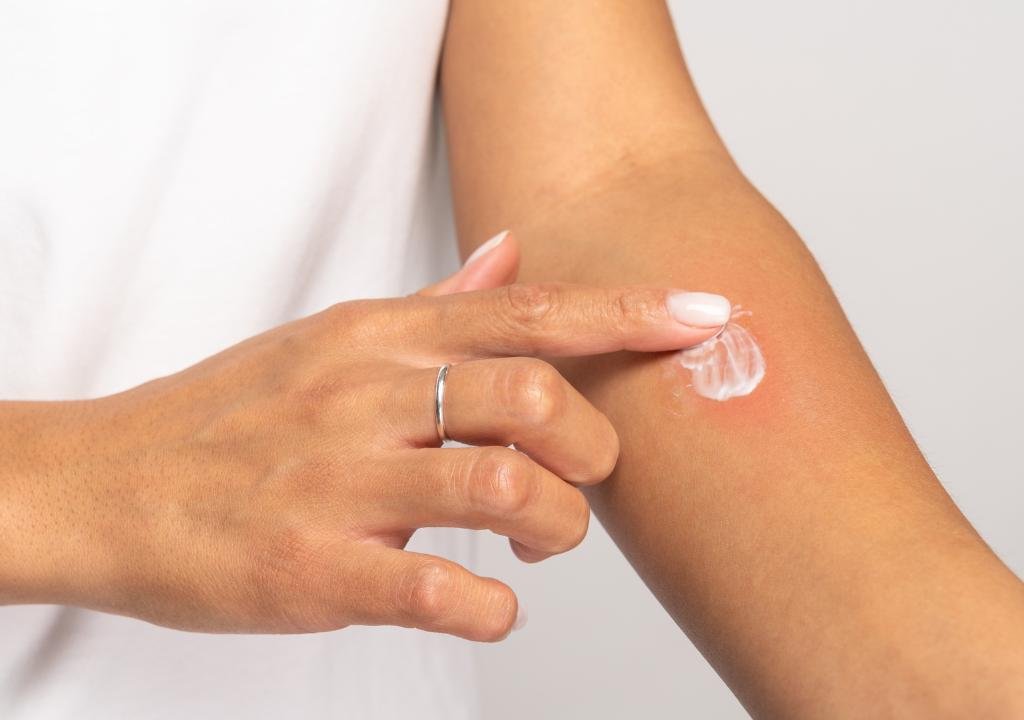
✔ Patch-test new skincare or makeup products.
✔ If you’re pregnant or have sensitive skin, consult a healthcare professional before using products containing strong chemicals.
What Do Health Experts Say? Cosmetics Cause Cancer
Major health authorities agree that most legally marketed cosmetics are considered safe when used correctly. However, they also encourage ongoing research, stronger ingredient testing, and greater transparency from manufacturers.
As science advances, regulations continue to improve, helping consumers make safer choices.
The Hyderabad city is home to world-class hospitals offering advanced medical treatments, experienced specialists, and modern facilities.
The Bottom Line
Cosmetics Cause Cancer
Cosmetics themselves are not proven to cause cancer in most users. However, certain ingredients and contaminants have been associated with increased cancer risk under specific conditions, particularly with prolonged or high-level exposure.
The best approach is not fear—but informed choices. Reading labels, choosing reputable brands, and staying updated on product recalls can help you enjoy beauty products more safely.
Beauty products are generally safe when used correctly, but being informed about ingredients is one of the smartest ways to protect your long-term health. Beauty should enhance confidence—not compromise well-being.
Note: This article is for educational purposes only and should not replace medical advice. If you have concerns about a specific product or ingredient, consult a qualified healthcare professional.